Unveiling the Truth: Is Ingredients in Qoghundos Good?
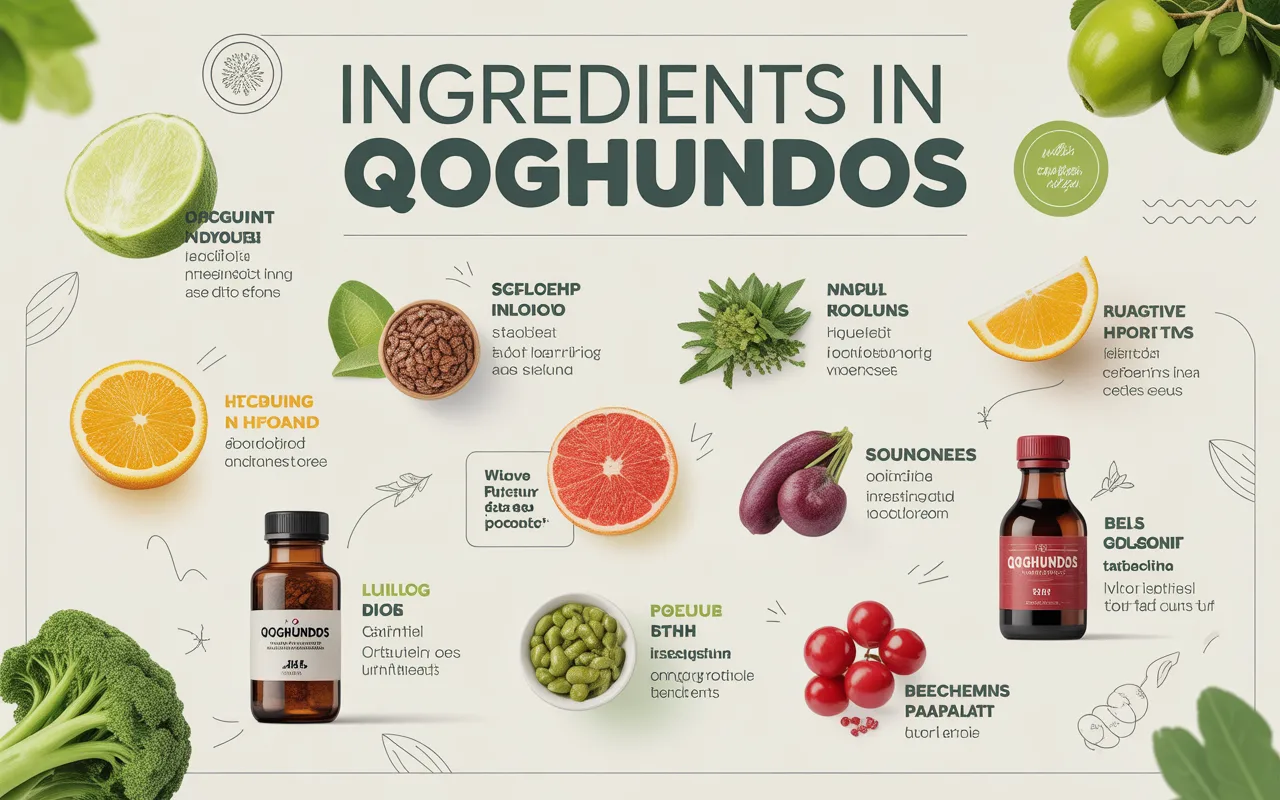
Introduction to Qoghundos and Its Ingredients
Qoghundos is a traditional dish that holds significant cultural value in various regions, often celebrated for its rich flavors and diverse ingredients. It is primarily known for being a hearty meal that reflects the culinary heritage of the communities that prepare it. The name “Qoghundos” may vary based on local dialects or cultural influences, but its essence remains constant: a celebration of ingredients that contribute to both nutrition and taste.
The typical ingredients in Qoghundos are a mix of grains, vegetables, and proteins, which collectively form a nutritious and filling dish. Commonly, the base often involves robust grains such as barley or rice, which provide essential carbohydrates. Accompanying these grains are a variety of vegetables, including onions, carrots, and peppers, which enhance the dish through both flavor and nutritional content. Proteins, ranging from local meats to legumes, are also integral, ensuring that the dish is not only satisfying but balanced in terms of its dietary contributions.
Understanding the ingredients in Qoghundos is crucial for assessing its overall health benefits. Each component plays a role, contributing vitamins, minerals, and dietary fiber. For instance, the vegetables provide vital nutrients, while the grains serve as an energy source. The proteins contained within the dish are essential for muscle repair and growth, making Qoghundos a potentially beneficial option for those seeking well-rounded meals.
In exploring whether the ingredients in Qoghundos are good, it is essential to consider both their individual properties and the synergy achieved when they are combined. This dish not only reflects the culinary traditions but also showcases the use of locally sourced products, which likely enhances its appeal from a nutritional standpoint. Thus, the exploration of Qoghundos and its ingredients provides a fascinating insight into how traditional dishes can be both culturally and nutritionally significant.
Nutritional Analysis of Qoghundos Ingredients
The traditional dish known as Qoghundos is predominantly prepared using a variety of wholesome ingredients. Understanding whether the ingredients in Qoghundos are good requires a closer examination of their nutritional profiles. Some of the primary components often include lentils, rice, spices, and vegetables.
Lentils are a crucial ingredient in Qoghundos, known for their high protein content and dietary fiber. They are rich in essential nutrients such as iron, folate, and magnesium, making them beneficial for overall health. The fiber content can aid digestion and promote satiety, which can be beneficial for weight management.
Rice, another staple component, serves as a significant source of carbohydrates, providing energy for daily activities. When brown or whole grain rice is utilized, it offers additional benefits through increased fiber and nutrient content compared to its white counterpart. This enhanced profile can contribute to lower blood sugar spikes and improved digestive health.
The spices incorporated in Qoghundos, such as cumin and turmeric, not only enhance flavor but also deliver an array of health benefits. For instance, turmeric contains curcumin, which is noted for its anti-inflammatory and antioxidant properties. These natural compounds can play a role in reducing the risk of chronic diseases.
Vegetables, often included in Qoghundos, add vitamins and minerals that are essential for maintaining a balanced diet. Depending on the variety added, they can provide vital antioxidants, vitamins A and C, and additional fiber. However, one must be mindful of potential dietary restrictions or sensitivities associated with specific ingredients, which can vary widely among individuals.
Overall, the analysis of the ingredients in Qoghundos suggests that they can provide a range of nutritional benefits. When prepared thoughtfully, Qoghundos may not only be delicious but also serve as a healthful option within various dietary frameworks.
Cultural Perspectives and Health Considerations
The ingredients in Qoghundos hold significant cultural importance across various cuisines, especially within regions where this dish is traditionally prepared. In many societies, food is not only a source of nourishment but also a means of preserving heritage and fostering social bonds. Therefore, the perceptions surrounding the ingredients in Qoghundos can be quite diverse, reflecting a confluence of historical practices and contemporary health considerations.
In traditional culinary practices, many of the components found in Qoghundos are lauded for their health benefits. For instance, certain spices are believed to possess medicinal properties, often being used in folk remedies throughout history. This is indicative of a broader trend where ancient customs inform contemporary dietary choices. However, as modern nutritional science continues to evolve, debates arise regarding the health implications of these ingredients. While some cultures may emphasize the natural and organic aspects of their food, others are increasingly concerned about the potential health risks associated with certain additives or processing methods.
The conversation surrounding whether the ingredients in Qoghundos are good is further complicated by the influx of globalization. The introduction of international ingredients can enrich traditional recipes but also leads to discord about authenticity and health. It encourages a blend of culinary styles that may yield innovative dishes while simultaneously challenging the nutritional integrity of original components. Understanding these cultural attitudes provides a comprehensive view of the subject. It allows for a nuanced appreciation of how traditional beliefs intersect with modern nutritional science and the variances in perception regarding the ingredients in Qoghundos across different demographics.
Final Thoughts: Are Ingredients in Qoghundos Good?
As we explore the essence of Qoghundos and its ingredients, we find ourselves at the intersection of nutritional value and cultural significance. For many, Qoghundos represents more than just a dish; it embodies a rich heritage and unique flavor palette, shaped by the local environment and traditions. The ingredients used in Qoghundos often include spices known for their health benefits, fresh vegetables, and wholesome proteins, all of which contribute to a well-rounded meal.
Considering the question, “is ingredients in Qoghundos good?”, it is important to recognize that the answer is multifaceted. Nutritionally, many of the components commonly found in Qoghundos are beneficial. For instance, spices such as turmeric and cumin have been praised for their antioxidant properties and potential health benefits. Furthermore, the inclusion of vegetables ensures a dose of essential vitamins and minerals that promote overall well-being.
However, the response to whether the ingredients in Qoghundos are good can also vary based on dietary needs and preferences. For individuals with specific dietary restrictions, such as gluten intolerance or allergies, some ingredients may pose a challenge. Customizing Qoghundos to accommodate these dietary needs allows everyone to enjoy the flavors while maintaining their health. Thus, the adaptability of the ingredients used in Qoghundos is a significant advantage.
In conclusion, the ingredients in Qoghundos can be considered good from both a nutritional and cultural perspective. They offer a blend of flavors that enhance the eating experience while providing various health benefits. As with any culinary tradition, understanding the context and quality of the ingredients is essential in making informed decisions regarding their consumption.

Post Comment