Unlocking the Power of Software Patches: The Techoelite Approach
Understanding Software Patches and Their Importance
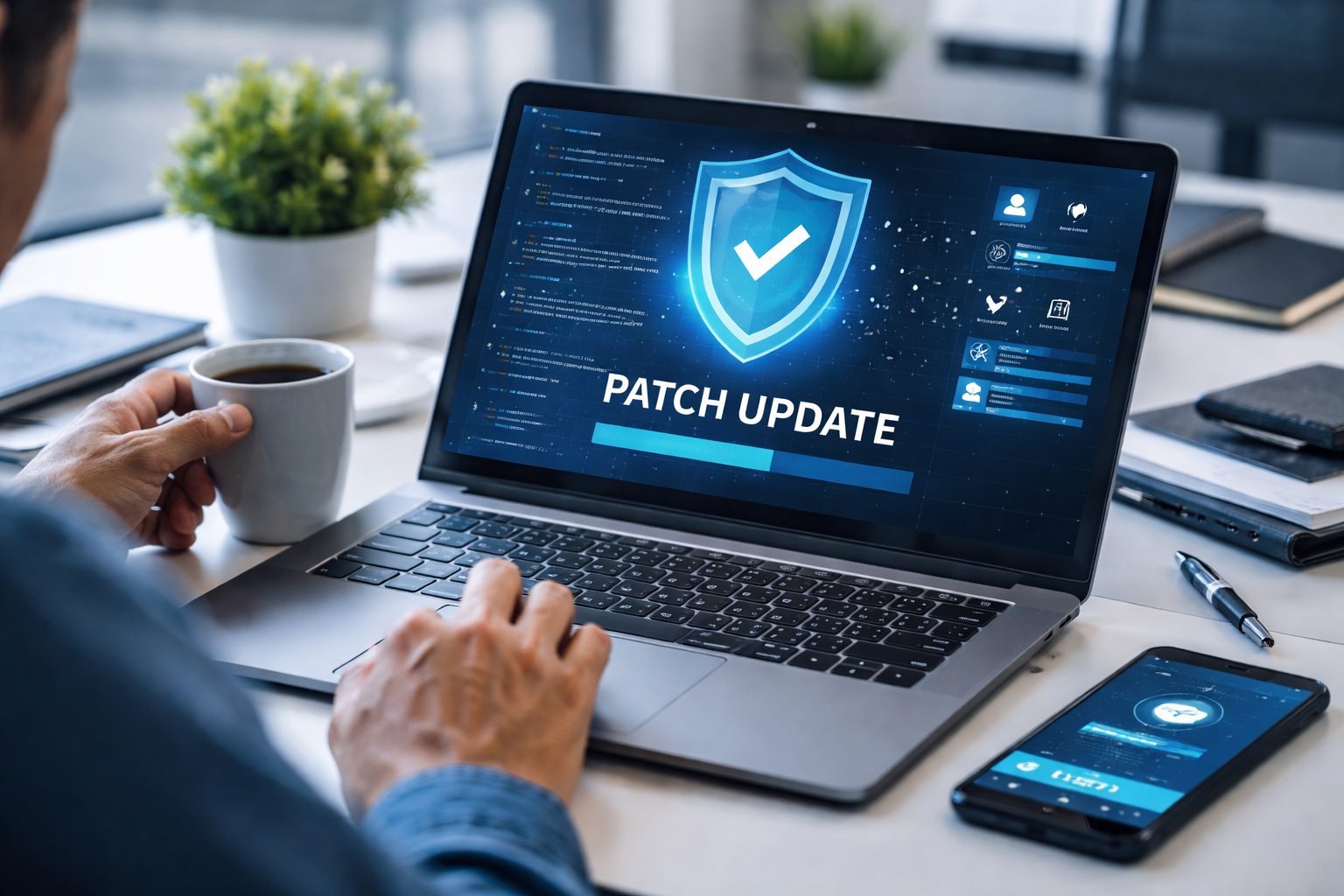
Software patches are essential updates made to applications or systems, primarily designed to improve functionality, fix vulnerabilities, or enhance features. They allow developers to address issues that arise after the software has been released, ensuring that users remain protected against security threats and experience optimal performance. The significance of software patches cannot be overstated for both individual users and organizations alike.
There are several types of software patches that serve different purposes. Security patches are specifically aimed at closing vulnerabilities that hackers might exploit, thus safeguarding sensitive information and maintaining system integrity. Bug fixes, on the other hand, address specific errors or flaws within the software, improving usability and performance. Feature enhancements may include new functionalities or improvements to existing ones, designed to enhance the user experience.
The role of Techoelite in delivering software patches is pivotal. As a recognized leader in the tech industry, Techoelite ensures that software patches are not only promptly deployed but also conform to strict industry standards. This commitment to excellence helps organizations maintain the robustness of their systems while ensuring that security is never compromised. By focusing on high-quality software patches, Techoelite empowers users to maximize the potential of their software and minimize risks associated with outdated or vulnerable applications.
In light of the increasing complexity of systems and the ever-evolving landscape of cyber threats, the importance of timely and effective software patches cannot be overstated. Through their strategic implementation, organizations can not only enhance operational efficiency but also fortify their defenses against potential breaches.
The Techoelite Difference: How Their Patches Stand Out
Techoelite approaches the development of software patches with a commitment to innovation and excellence. Their unique methodologies distinguish them in a crowded market. One key aspect of their process is the rigorous testing protocols they implement. Before any software patch is released, it undergoes extensive testing that simulates real-world conditions. This not only helps identify potential issues but also ensures that the patches effectively address the specific problems they are designed to fix.
Moreover, Techoelite utilizes advanced algorithms for patch deployment that guarantee a seamless integration into existing systems. These innovative strategies minimize disruptions, enabling organizations to maintain productivity while updates are applied. By considering system dependencies and user environments, Techoelite’s patches can be rolled out efficiently, reducing downtime and enhancing software functionality.
The emphasis on comprehensive support further sets Techoelite apart from competitors. Their dedicated team is available to assist clients throughout the patching process. This support model includes not only guidance on the installation of patches but also ongoing assistance with any issues that may arise post-deployment. Notably, Techoelite’s commitment to customer service ensures that clients can leverage the full potential of their software without hesitation.
For instance, a recent success story involved a large logistics company that struggled with software slowdowns due to outdated applications. Upon consulting Techoelite, they implemented tailored software patches that addressed these inefficiencies. The result was a remarkable 30% increase in system performance, demonstrating how effective software patches can transform organizational capabilities.
In essence, the distinctive practices of Techoelite in developing and deploying software patches not only rectify prevalent issues but also contribute to enhanced performance. By focusing on quality, customer assistance, and innovative strategies, Techoelite redefines what it means to deliver effective software solutions.
Best Practices for Implementing Software Patches
Implementing software patches effectively requires careful planning and execution to ensure that systems remain secure while minimizing disruptions. The first step is to assess the need for patches by closely monitoring the software environment for vulnerabilities. This can involve subscribing to vendor notifications or security advisories to stay informed about any potential threats that may affect your systems. Regular assessments will provide valuable insights into the urgency of the required updates.
Once the necessity of patches has been established, the next critical step is to prioritize installations based on the severity of vulnerabilities and the potential impact on your organization. High-risk vulnerabilities that could be exploited should take precedence over cosmetic updates. Additionally, it is wise to schedule patch installations during non-peak hours to reduce downtime. Careful timing helps maintain business continuity while still addressing security concerns.
Another noteworthy practice involves testing patches before deployment, especially in larger environments. Setting up a controlled environment for pre-deployment testing can help identify any potential incompatibilities or issues that may arise from the new updates. By doing so, businesses can prevent unexpected failures post-installation.
Moreover, maintaining detailed records of patch management activities is essential. Documentation should include information about the patches applied, testing results, and any incidents that occur during the updating process. This serves not only for internal tracking but also for compliance and audit purposes.
In conclusion, to create a secure and optimized software environment, regular updates through effective patch management is crucial. Leveraging the expertise in software-patches-techoelite and adhering to best practices can significantly enhance your organization’s cybersecurity stance while minimizing potential risks.
Automation and AI in Software Patching
As the digital landscape evolves, the need for efficient and effective software patching becomes paramount. Emerging trends indicate a significant shift towards automation in the patch management process. Automation not only enhances efficiency but also minimizes the potential for human error during patch implementation. Companies like Techoelite are at the forefront of harnessing automated tools to streamline the deployment of software patches. By integrating automated systems into their patch management strategy, they are able to ensure timely updates, which is crucial in mitigating risks associated with vulnerabilities.
The Role of Artificial Intelligence
The rise of artificial intelligence (AI) in the realm of cybersecurity further transforms the landscape of software patching. AI technologies can analyze vast amounts of data to identify vulnerabilities faster than traditional methods. This allows organizations to prioritize patches based on the severity of identified threats. With AI-driven insights, Techoelite is streamlining its patching priorities, ensuring that critical vulnerabilities are addressed promptly while optimizing the resource allocation for less severe issues.
Continuous Patching: A Necessity
In today’s increasingly digital world, the concept of continuous patching has emerged as a fundamental practice in software maintenance. Continuous patching entails ongoing updates and improvements to ensure systems remain secure against evolving threats. The importance of this approach cannot be overstated; as cyber threats grow more sophisticated, the need for software to adapt continuously has never been clearer. Techoelite recognizes this necessity and continually develops their software-patches-techoelite to provide users with robust protection. This commitment not only enhances the security posture of their clients but also fortifies the relevance of Techoelite’s solutions in an ever-changing technological environment.




Post Comment