The Art and Science of Kalibraatio: Precision in Measurement
Defining Kalibraatio: More Than Just Calibration
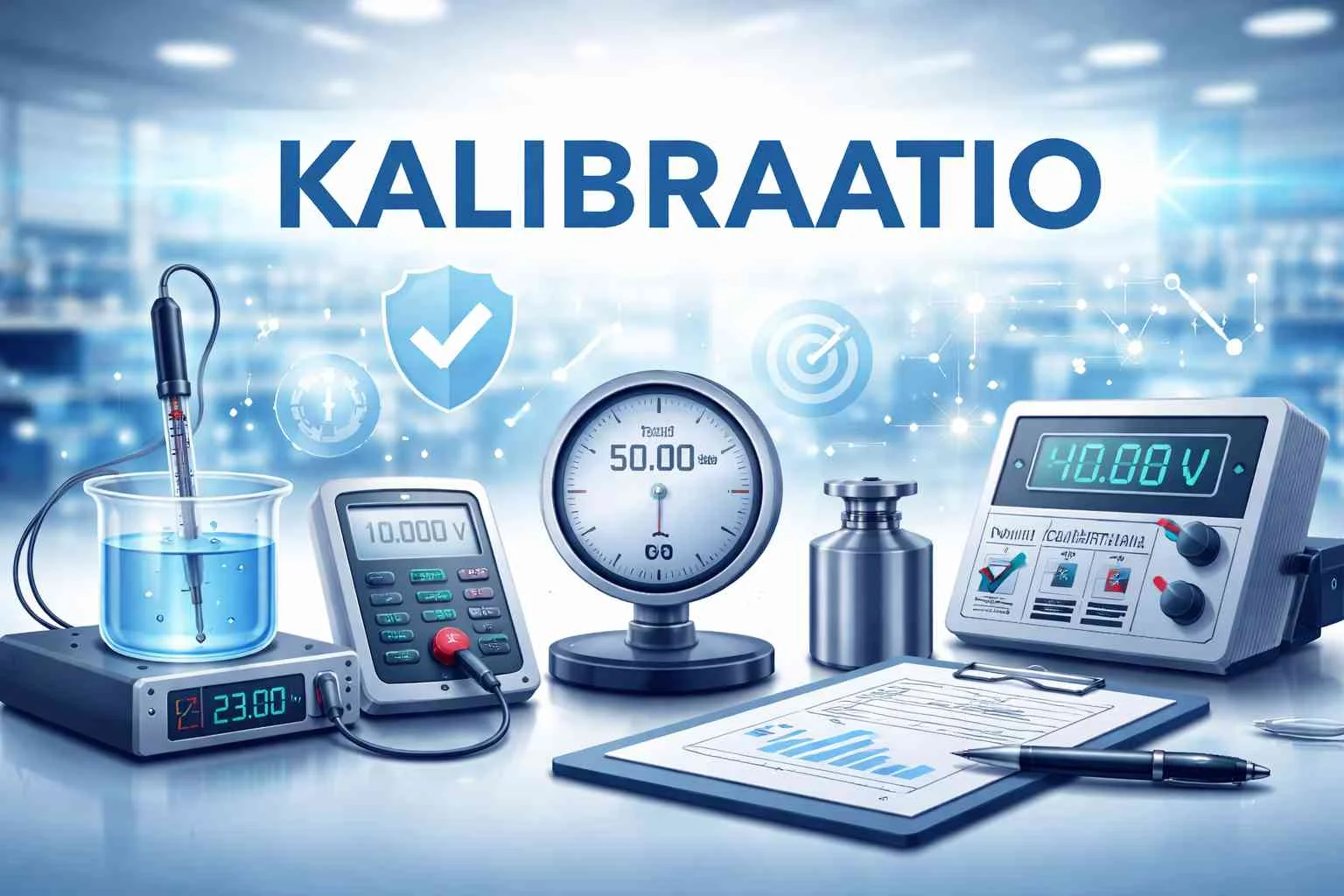
The term kalibraatio, originating from the Latin word “calibratio,” implies a process of measuring and adjusting an instrument or device to ensure its accuracy. This concept transcends simple calibration; it embodies a critical framework necessary for attaining precision across various domains, including manufacturing, healthcare, and scientific research. In essence, kalibraatio is intertwined with the integrity of measurements and the reliability of data derived from them.
In manufacturing contexts, kalibraatio is paramount for maintaining the quality and consistency of products. For instance, any variation in measurement can lead to defective products, ultimately affecting consumer safety and satisfaction. By implementing rigorous kalibraatio practices, manufacturers can ensure their machinery—such as scales, gauges, and sensors—functions correctly, thereby supporting optimal production processes and minimizing waste.
Similarly, in the healthcare sector, kalibraatio plays an essential role in patient safety and treatment efficacy. Accurate measurements of vital signs, medication dosages, and diagnostic tests are vital for effective patient care. When medical devices are regularly calibrated, healthcare professionals can trust the data they rely on for making critical decisions, leading to better patient outcomes.
Furthermore, kalibraatio is indispensable in scientific research, where accurate measurements underpin valid hypotheses and experimental replicability. Researchers depend on calibrated instruments to collect data that is both reproducible and reliable, which ultimately contributes to the advancement of knowledge across various scientific fields. A lack of proper kalibraatio can skew results, leading to erroneous conclusions and undermining the credibility of research.
In summary, kalibraatio is much more than a process of calibration; it is an integral aspect of accuracy that influences multiple sectors. The careful application of kalibraatio ensures that measurements remain trustworthy, which is essential for safety, quality control, and scientific integrity.
The Process of Kalibraatio Explained
Kalibraatio, or calibration, is an essential process that ensures the accuracy and reliability of measurement instruments. This intricate procedure typically follows several systematic steps to maintain precision. The first stage involves preliminary preparations, where the instruments are cleaned and any faults are identified. This initial assessment serves as the foundation for a successful calibration.
Next, the calibration standards are selected. These standards serve as the reference points against which measurements are compared. Depending on the application, these standards can vary and include national or international measurement standards, such as those maintained by NIST (National Institute of Standards and Technology) or ISO (International Organization for Standardization) protocols.
Following the selection of standards, the actual calibration process begins. During this phase, the instrument is subjected to a series of tests at various points within its operational range. For instance, in electronic instruments, this may involve comparing the output signal to a known reference signal. The data collected during these tests are meticulously documented for accuracy.
After testing, the next step involves adjusting the instrument. If discrepancies between the measured values and the standard values are found, adjustments are made to ensure compliance with required specifications. Calibration adjustments can be achieved through software updates or physical modifications to the instrument.
Finally, a certificate of calibration is generated, encapsulating all relevant information, including calibration date, the technician’s name, methods used, and results achieved. This certificate serves as proof that the instrument is functioning correctly and meets applicable standards. Practical examples of kalibraatio can be observed in laboratory settings, manufacturing companies, and even automotive industries, where precise measurements are crucial for quality assurance.
Benefits of Kalibraatio in Various Industries
Kalibraatio, the process of adjusting and verifying measurement instruments, plays a crucial role across numerous industries. Its effective implementation yields several significant benefits that enhance operational integrity, product quality, and overall safety. One prominent advantage of kalibraatio is the elevation of product quality. In manufacturing sectors, particularly those involving precision instruments, regular calibration ensures that machinery operates within specified parameters, minimizing defects and ensuring that end products meet stringent quality standards.
In addition to improved product quality, kalibraatio contributes to increased safety in various fields. For example, in healthcare, the accuracy of diagnostic equipment is paramount; improper measurements can lead to misdiagnosis and treatment errors. Consistent calibration of medical devices ensures that healthcare providers can trust the readings, thereby enhancing patient safety and care outcomes.
Furthermore, adhering to calibration standards aids organizations in achieving regulatory compliance. Many industries, including pharmaceuticals and food production, face rigorous regulations regarding equipment accuracy. Effective kalibraatio practices ensure that companies are in line with international standards and regulations, thereby avoiding penalties and potential legal consequences. This alignment not only safeguards businesses but also promotes consumer trust.
Cost reduction is another practical benefit derived from consistent calibration. By ensuring that equipment functions correctly and efficiently, organizations can prevent costly breakdowns and operational downtime. For instance, a case study in an automotive manufacturing plant revealed that scheduled kalibraatio reduced machinery errors by 30%, ultimately saving the company substantial amounts in both repairs and lost productivity.
Overall, the widespread implementation of kalibraatio across various sectors not only enhances operational efficiency but also leads to higher customer satisfaction levels, as clients receive products and services that consistently meet quality expectations.
Challenges and Solutions in Kalibraatio Practices
Kalibraatio is an essential process in ensuring the accuracy of measurement instruments across various industries. However, several challenges can undermine the effectiveness of calibration practices. One of the most common issues encountered is false readings, which can arise from equipment malfunction, user error, or environmental factors. Temperature fluctuations, humidity, and vibrations can influence the performance of measurement devices, leading to inaccurate results.
To mitigate these challenges, it is crucial to establish a controlled environment during calibration procedures. Ensuring that the calibration area is free from vibrations, maintaining a stable temperature, and minimizing humidity can significantly enhance the reliability of calibration results. Moreover, proper training and education for personnel involved in the kalibraatio process can help reduce user errors. Technicians should be well-versed in the operation and limitations of the instruments they are using to avoid misinterpretations of data.
Another challenge lies in the technological limitations of certain measurement devices. Some instruments may not be equipped to handle specific calibration tasks or may require periodic updates and maintenance. To address these technological hurdles, organizations should invest in high-quality instruments and regularly assess their performance. Implementing a scheduled maintenance plan can ensure that equipment is working optimally and is capable of achieving precise measurements.
In addition, following standardized calibration procedures and protocols can enhance the reliability of results. Utilizing best practices, such as documenting calibration results and maintaining detailed records, helps to identify patterns that may suggest reliability issues. These strategies contribute to the overall improvement of kalibraatio processes, yielding consistent and dependable measurements that align with industry standards.

Post Comment