Unveiling thejavasea.me Leaks AIO-416: What You Need to Know
Introduction to thejavasea.me and AIO-416
Thejavasea.me is an online platform that has garnered attention due to its repository of leaked information, often focusing on high-profile data and security breaches. This website’s primary objective is to disseminate sensitive information that may otherwise remain inaccessible to the general public. The content typically hosted on thejavasea.me includes leaked documents, data sets, and other materials that raise pressing questions regarding privacy, accountability, and the implications of security lapses in various organizations.
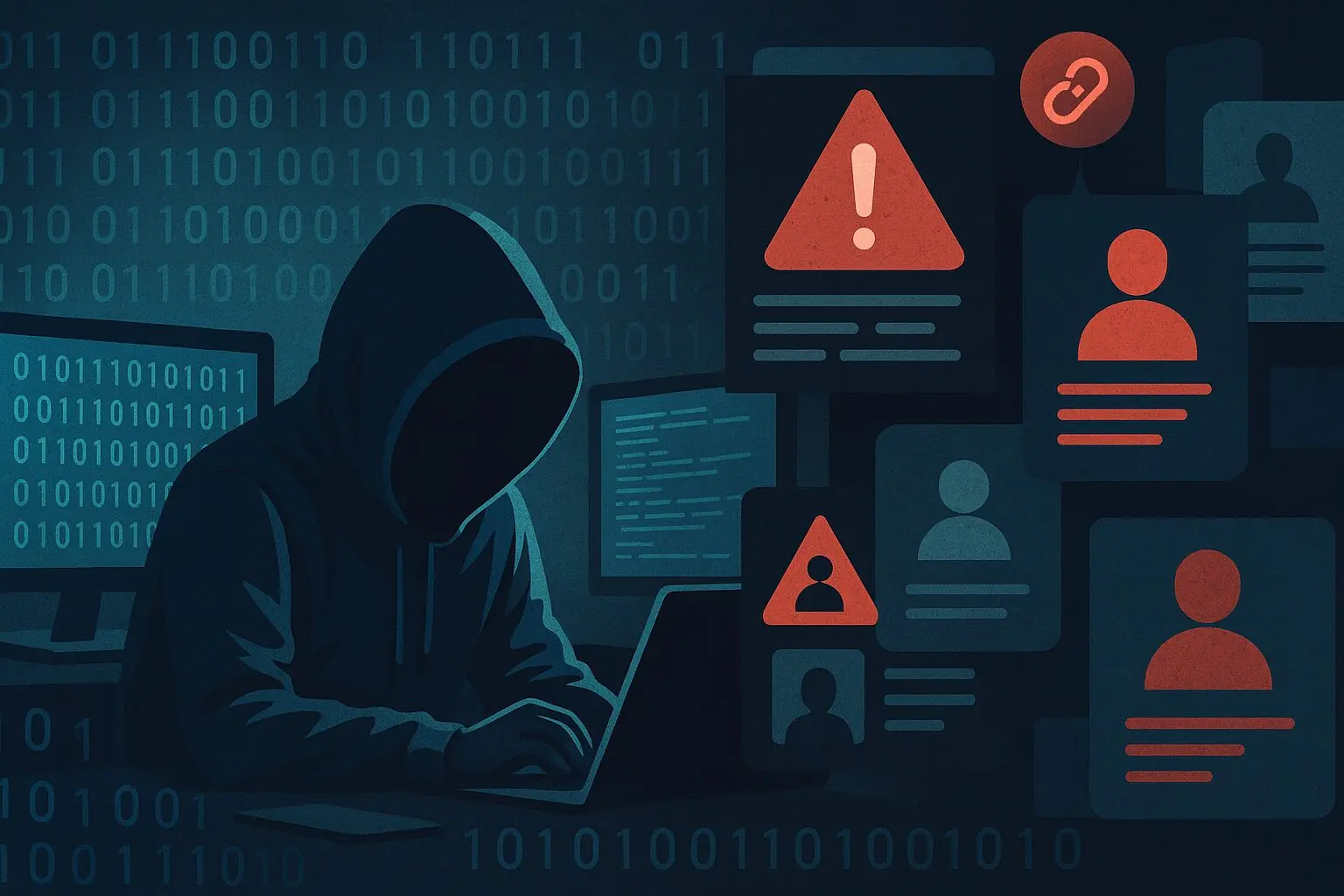
One notable incident associated with thejavasea.me is the leak related to AIO-416, which has significant ramifications within the cybersecurity community. AIO-416 refers to a specific dataset that contains sensitive personal information, including but not limited to individual identities, financial details, and passwords. The importance of this leak cannot be overstated, as it exposes vulnerabilities in data protection measures and raises awareness about the potential risks that individuals may face in the digital landscape.
Moreover, the leaks of AIO-416 highlight the ongoing battle between online security and the rising sophistication of cyber threats. As individuals increasingly rely on digital platforms for personal and professional interactions, the repercussions of such data leaks underscore the critical need for robust cybersecurity practices. The significance of AIO-416 lies not only in the immediate dangers posed by the leaked information but also in the broader implications for user awareness regarding their data security. Understanding the nature of thejavasea.me and the leaks associated with AIO-416 is essential for anyone concerned about online privacy and security in today’s interconnected world.
Details of the AIO-416 Leak
The AIO-416 leak represents a significant data breach, revealing sensitive information that has raised concerns among users and stakeholders. During the incident, it was reported that personal data, including names, email addresses, and potentially financial information, were exposed. The breach reportedly affected over 120,000 user accounts, indicating a scale that should not be underestimated. The integration of such extensive data compromises the privacy of individuals and can lead to a variety of consequences.
The primary cause of this leak can be traced back to a vulnerability in the security measures that protect user data. It is understood that unauthorized access was gained through a poorly secured database. As a result, hackers were able to exploit this weakness, leading to the unauthorized distribution of sensitive details online. In addition to personal information, there are concerns about the security of passwords, which, if compromised, could facilitate further unauthorized access to various user accounts across different platforms.
The implications of this breach are profound. Users affected by the AIO-416 leak are at an increased risk of identity theft and phishing attacks, as their personal data is now potentially in the hands of malicious actors. For organizations involved, this incident not only threatens their reputation but also poses legal risks, as they might face regulatory scrutiny and increased liability for failing to adequately protect user information.
Moreover, the long-term effects of data breaches such as the AIO-416 leak extend to the trust users place in digital platforms. Moving forward, stakeholders must prioritize enhancing security protocols and educating users on data protection practices to mitigate such situations in the future.
Impact of thejavasea.me Leaks on Users
The cybersecurity incident involving thejavasea.me and AIO-416 has raised significant concerns regarding the impact on users. With sensitive data potentially exposed, users face a myriad of risks, the most pressing being identity theft. Unauthorized access to personal information can lead to financial losses, further compounded by the challenge of recovering one’s identity and assets post-breach.
Moreover, the leaked data could lead to misuse in various forms, including unauthorized transactions and fraudulent activities. Cybercriminals often target exposed databases to exploit user data, making vigilance essential for all affected individuals. Users should practice increased caution and remain aware of unusual account activities that may indicate unauthorized access.
In light of this breach, immediate action is paramount. Users are advised to change their passwords on all relevant accounts, prioritizing those associated with sensitive information such as banking and personal communications. Employing strong, unique passwords for different accounts can significantly reduce the risk of further breaches. Additionally, users should consider utilizing password managers to improve password security and management.
Furthermore, monitoring financial accounts regularly is crucial. Users should keep an eye on bank statements, credit reports, and other financial documentation for any irregularities. If any suspicious activity is detected, it is imperative to report it to the respective financial institution promptly.
Lastly, enabling two-factor authentication (2FA) where possible adds a layer of security that can help thwart unauthorized access. This simple step provides an additional hurdle for cybercriminals, making it more difficult for them to utilize stolen credentials effectively. By taking these proactive measures, users can better safeguard their personal information in the wake of thejavasea.me leaks.
Preventive Measures and Future Considerations
As organizations and individuals navigate the complexities of online security, implementing effective preventive measures is crucial to safeguarding against data leaks similar to those experienced by thejavasea.me. The first line of defense is to foster a culture of security awareness among users. Educating users about the potential risks, including recognizing phishing attempts and suspicious links, increases their ability to identify threats before they escalate into serious breaches.
Furthermore, employing encryption technologies is essential for protecting sensitive information. Data encryption ensures that even if unauthorized access occurs, the information remains unintelligible without the corresponding decryption key. This protective measure should extend not only to data at rest but also to data in transit, minimizing the risk of interception during transfers.
Regular security audits serve as an additional layer of defense. By systematically evaluating security protocols and systems, organizations can identify vulnerabilities and address them before they can be exploited by malicious actors. These audits should include penetration testing, vulnerability assessments, and compliance checks to ensure adherence to relevant standards.
Another critical measure is to implement strong password policies alongside multi-factor authentication (MFA). Encouraging users to utilize unique, complex passwords for different accounts can reduce the chances of unauthorized access significantly. MFA adds an extra layer of protection, making it considerably more difficult for cyber attackers to compromise accounts even if passwords are leaked.
As for potential legal or regulatory responses to the leaks emerging from incidents like thejavasea.me breach, organizations should anticipate stricter regulations surrounding data privacy and accountability. This could include the enforcement of stricter compliance requirements and penalties for non-compliance, thus motivating organizations to enhance their security measures.




Post Comment